
Eazy Grease vs Grand Natural Self-Service Operator vs Brokered Network: What's Best for Your Restaurant?
When it comes to cooking oil collection services, both Grand Natural and Eazy Grease offer extensive support for restaurants, commercial kitchens, and food producers. But how do they compare across key areas like service flexibility, environmental compliance, and cooking oil recycling solutions?
The Critical Difference:
One company owns their trucks and employs their technicians. The other coordinates a network of independent contractors.
Self-Service vs Brokered Network: What You Need to Know About Grease Collection Providers
Restaurant waste management industry terminology:
✅ “Self-Service” = Companies that own their own trucks, employ their own technicians, and directly perform the oil recycling service
✅ “Brokered Service” or “Third-Party Service” = Companies that coordinate subcontractors
The term “self-service” doesn’t mean the restaurant does it themselves—it means the service company does it themselves (rather than outsourcing to others).
⚠️ Important: Grand Natural openly states they work with a "nationwide partner network" and "service providers" to fulfill services. According to their website, they have "teamed up with some of the best service providers and biodiesel manufacturers" and work with "skilled service partners." The BBB lists Grand Natural as a "Marketing Consultant," not as a waste management or collection service provider.
What This Means for Your Restaurant
When you sign up with Grand Natural, you’re not getting Grand Natural’s trucks or Grand Natural’s employees. You’re getting whichever local cooking oil collection subcontractor they’ve partnered with in your area. Grand Natural will provide the app, the scheduling system, and customer support, but the actual collection service is performed by independent third-party companies.

Why Self-Service Oil Disposal Matters
01
Accountability:
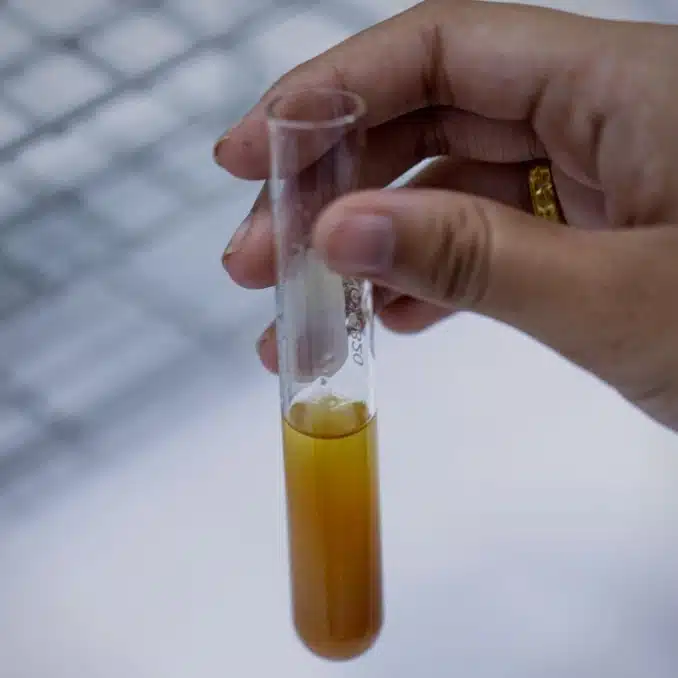
When something goes wrong with Eazy Grease, you call us and we fix it—period. We own the trucks, we employ the oil recycling technicians, and we control the outcome. With a brokered model, Grand Natural has to coordinate with their partner company, adding layers of communication and potential delays.

02
Quality Control:
Our 93.8% on-time cooking oil pickup rate isn’t accidental—it’s the result of direct management and accountability. When you’re coordinating dozens of independent subcontractors across 49 states, maintaining consistent quality becomes exponentially harder.
03
Equipment Standards:
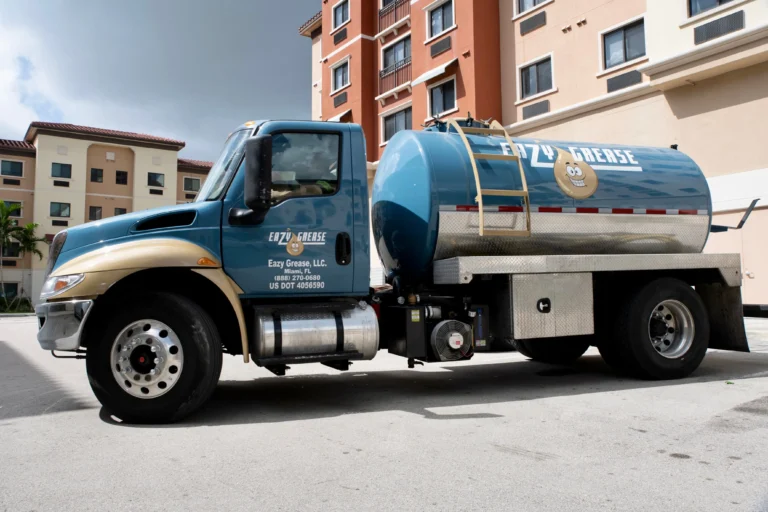
Every Eazy Grease truck meets our standards because we own them. With subcontractors, equipment quality varies by provider. Some may have modern, well-maintained trucks. Others might not.
04
Employee Training:
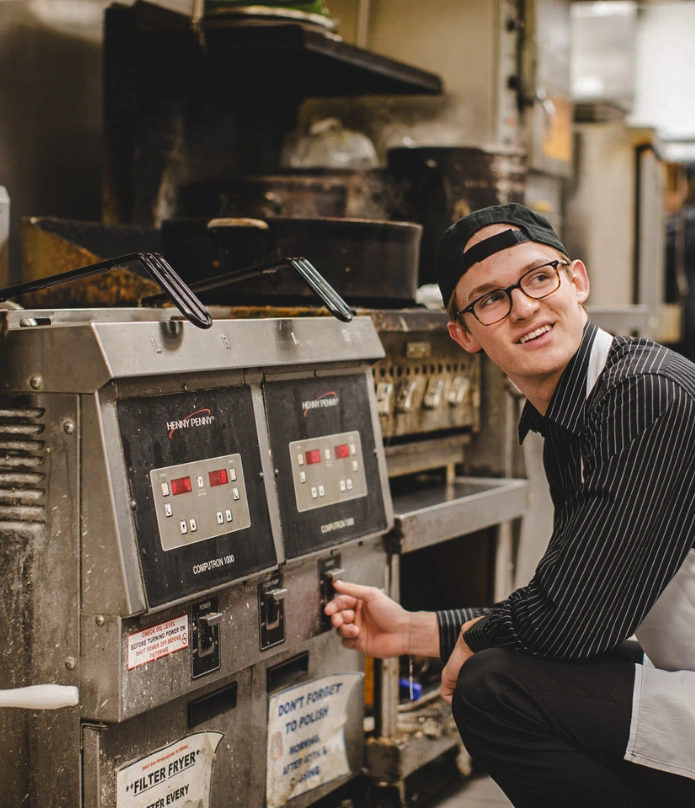
Our technicians are W-2 employees who receive comprehensive training on our equipment, safety protocols, and customer service standards. Subcontractors train their own staff according to their own standards.
Think about it this way: Would you rather hire a general contractor who has their own crew, owns their tools, and guarantees their work? Or hire a contractor who farms out your job to various subcontractors they've partnered with? Same principle applies to your used cooking oil disposal service.
GrandNatural vs Eazy Grease Side-by-Side Comparison:
- Business ModelSelf-Service OperatorBroker/Network Coordinator
- BBB Business CategoryRecycling Center/ Waste Management ServiceMarketing Consultant
- Equipment OwnershipOwns All Trucks & EquipmentRelies on Partner Network Equipment
- Technician EmploymentW-2 EmployeesSubcontractor Employees (Variable)
- Google Rating4.9/5 (167 Reviews) ⭐⭐⭐⭐⭐3.0/5 (6 Yelp Reviews) ⭐⭐⭐
- Service ConsistencySame Standard EverywhereVaries by Regional Subcontractor
- Accountability ChainDirect (One Company)Indirect (Multiple Parties)
- On-Time Service Rate93.8%Not Publicly Disclosed
- Customer Retention94%Not Publicly Disclosed
- TechnologyAI Routing + Sensor ContainersEcoSystem™ App (Scheduling Only)
- Rebates25-50% Higher (Self-Service Operation)Varies by Subcontractor
- Service Area9 East Coast States (Deep Coverage)49 States (Wide but Shallow)
- Problem ResolutionDirect ControlMust Coordinate with Partners
- Equipment StandardsCompany-Wide StandardsVaries by Regional Partner
- BBB AccreditationPending ReviewNot BBB Accredited

What Restaurant Owners Are Saying
Eazy Grease Customer Reviews



Five Reasons Self-Service Operators Outperform Brokered Networks
01 Single Point of Accountability
02 Consistent Quality Control
03 Faster Problem Resolution
04 Equipment Standards
1. When Problems Arise, Direct Lines Matter
Imagine this scenario: Your oil container overflows on a Friday night. You call for emergency pickup. With Eazy Grease, we dispatch one of our trucks and handle it—done. With a brokered model, the coordinator has to call their regional subcontractor, who may or may not have availability, who may or may not prioritize your emergency over their other commitments.
2. Equipment Quality Isn’t Negotiable
Our sensor-equipped containers aren’t just a marketing feature—they prevent overflow emergencies from happening in the first place. When you own your equipment, you can invest in technology upgrades that benefit your customers. When you’re coordinating with dozens of subcontractors using their own equipment, standardization becomes virtually impossible.
3. Training Creates Consistency
Every Eazy Grease technician goes through the same training program. They learn our systems, our safety protocols, our customer service standards. In a brokered network, each regional cooking oil collection provider trains their own staff to their own standards. This inevitably leads to service inconsistency.
4. The Rebate Reality
Every Eazy Grease technician goes through the same training program. They learn our systems, our safety protocols, our customer service standards. In a brokered network, each regional cooking oil collection provider trains their own staff to their own standards. This inevitably leads to service inconsistency.
5. Regional Expertise vs National Sprawl
Eazy Grease operates in ten East Coast states with deep market knowledge and dense coverage. We know the local regulations, market rates, and competitive landscape intimately. Grand Natural operates in 49 states—which sounds impressive until you realize they’re coordinating local subcontractors in each market rather than building deep operational expertise.
When The Brokered Model Makes Sense
To be fair, Grand Natural’s brokered model is a great option for some. There are specific situations where working with a broker/coordinator might be the right choice for your restaurant:
01
Multi-State Restaurant Groups Outside Eazy Grease's Coverage Area
If you operate locations across the country—especially in states where Eazy Grease doesn’t currently provide service—a nationwide broker can simplify vendor management. Rather than contracting with different regional operators in each state, you get one point of contact and one invoice. This administrative convenience can outweigh the service quality trade-offs for corporate procurement teams managing dozens of locations.
02
You Want True One-Stop-Shop Bundled Services
If your priority is consolidating all restaurant maintenance services (oil collection, grease trap cleaning, hood exhaust cleaning, pest control, and trash hauling) under a single vendor relationship with unified billing, the brokered model delivers that. You’ll sacrifice some service quality consistency, but you’ll gain simplicity in vendor management and potentially bundled pricing discounts.
03
Very Low Cooking Oil Volume or Irregular Usage
For restaurants with minimal fryer usage—think pizza shops, coffee shops, or bakeries that only occasionally use oil—the coordination model might work fine. When you’re only generating 5-10 gallons per month, the difference between self-service and brokered service matters less. The lower stakes mean variable quality is less concerning, and the broker’s flexibility with pickup scheduling might actually be advantageous.
04
Short-Term or Temporary Locations
Pop-up restaurants, food trucks with rotating locations, temporary event concessions, or seasonal businesses may benefit from the flexibility of a brokered network. If you’re not establishing a long-term relationship and just need someone to handle oil collection for a few months, the broker’s ability to quickly plug you into their existing network of regional providers can be more valuable than building a direct relationship with a self-service operator.
05
For Other Services (Not Just Oil Collection and Recycling)
Grand Natural Inc’s network of partners are not just cooking oil recycling companies. Food service establishments can use their network of vendors for kitchen line jetting, hood cleaning, fire inspections, pest control, and other other services. So if you need to request service for recycling grease trap cleaning and water heater installation at the same time than GrandNatural is good option.
The Bottom Line: The brokered model serves a purpose for specific use cases—primarily when administrative convenience or geographic coverage matters more than service consistency and quality. For established restaurants focused on reliable service, competitive rebates, and operational excellence, self-service operators like Eazy Grease remain the superior choice.
Eazy Grease By The Numbers
Why Smart Restaurant Owners Choose Eazy Grease
We Actually Show Up
Our 93.8% on-time service rate reflects direct accountability. When Eazy Grease schedules a cooking oil pickup, an Eazy Grease truck arrives. No subcontractor coordination, no vendor management, no excuses.
No Hidden Fees. Higher Rebates, No Middleman
We typically pay 25-50% higher cooking oil rebates than competitors because we’re the actual operator, not a coordinator. There’s no middle layer taking a cut of your rebate.
Consistent Quality Everywhere
Our service in New York is identical to our service in Florida because it’s the same company, same equipment, same training, same standards. Network models can’t make this claim.
Equipment Deployed Fast
New containers installed within one week. Why? Because we own the equipment and control the logistics. No coordinating with regional partners or waiting for subcontractor availability.
Real Technology, Real Results
Our sensor technology and AI routing aren’t marketing buzzwords—they’re operational tools that prevent service failures before they happen.
Direct Line to Decision Makers
When you call Eazy Grease, you’re talking to the people who can actually solve your problem—not a coordinator who has to call someone else who has to call someone else.


FAQ
Does Grand Natural actually own their collection trucks?
Based on their website language referencing “nationwide partner network,” “service providers,” and “skilled service partners,” Grand Natural appears to operate as a broker/coordinator working with independent regional subcontractors. The BBB lists them as a “Marketing Consultant” rather than a waste management or cooking oil recycling collection company.
What's wrong with the subcontractor model?
Nothing inherently wrong with this model. if you value the bundled packages, multi-service convenience and don’t mind variable quality. However, for critical services like waste oil collection, most restaurant owners prefer direct accountability, consistent quality, and single-point responsibility that only a direct operator can provide.
Is Eazy Grease actually better or just different?
Our 4.9-star rating, 94% retention rate, and 93.8% on-time service suggest measurable operational superiority compared to other service providers in the country. But “better” depends on your priorities. If you want the company that collects your cooking oil to actually own the truck and employ the grease trap maintenance technicians, Eazy Grease is objectively better for that criteria.
Can Broker Model provide the same quality as a direct operator?
In theory, if all subcontractors maintain identical standards, yes. In practice, coordinating consistent quality across dozens of independent companies in 49 states is extraordinarily difficult. Dont forget that the broker is not directly providing vegetable oil recycling services and grease trap maintenance, they are outsourcing the service to someone else. Some haulers do not collect chicken fat, bacon grease, pork fat, or fish oil so a broker find a vendor who takes in specific waste streams that others don’t.
Why should restaurant choose a Self-Service business model?
Because when your oil container overflows at 9pm on a Saturday, you want to call a company that can dispatch THEIR truck immediately—not a company that has to call their regional partner who may or may not be available. The self-service business model determines accountability, response time, and service consistency.
How does Eazy Grease's recycling process work ?
The used cooking oil recycling process starts when a food service establishments places the used cooking oil into one of our storage oil systems. Either by services requests or regularly scheduled pickups, our oil pickup trucks come timely to collect that used cooking oil. These waste streams are taken to recycling plants to later be converted into biodiesel fuel or biodiesel production. Most restaurants don’t know that grease pickup ends up becoming renewable diesel.
What are the local regulations regarding used cooking oil collection?
Environmental regulations, regulatory compliance and sustainable practices all go hand in hand. Local municipalities want to avoid plumbing damage while focusing on environmental responsibility. Every city or town wants ensure environmentally sound practices and they do this through local regulations. But ever city or county implemented strategic plans differently. Regulations in tampa bay area differ than rules in South Florida.This is why its important to research what your local county states about cooking oil collection services.
Ready for Self-Service You Can Count On?
Join 7,000+ restaurants who choose self-service accountability over brokered coordination.
Self-service operator – We own our trucks & employ our technicians
Higher rebates (no broker markup)
Direct accountability – We show up
93.8% on-time service rate