Eazy Grease provides the most reliable Used Cooking Oil pickup in Pennsylvania, covering the Keystone State with on-time, convenient, hassle-free collections.
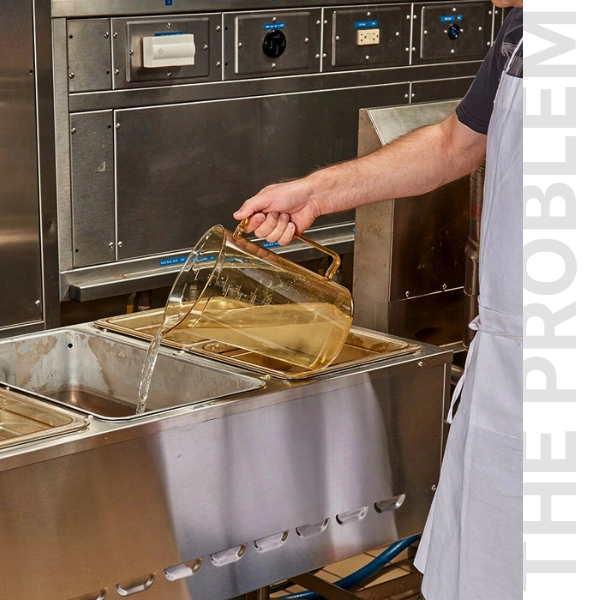
Owners across PA face significant challenges managing used cooking oil disposal:
Our comprehensive cooking oil recycling program eliminates these challenges:
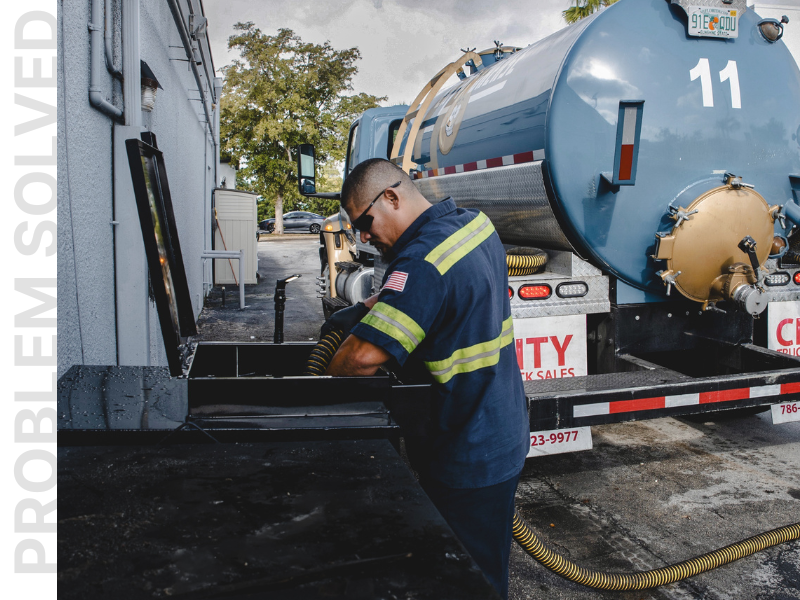



Our team evaluates your needs, determines optimal oil container placement, and creates your custom recycle frequency.

We deliver and install a secure, leak-proof waste oil tank sized appropriately for your location.

You do not need to contact us because our professional oil technicians and trucks go to your location according to schedule, ensuring clean, efficient pickups with minimal disruption to your operations.
Counties shaded teal are within Eazy Grease's used cooking oil recycling service area. Hover a county for details.
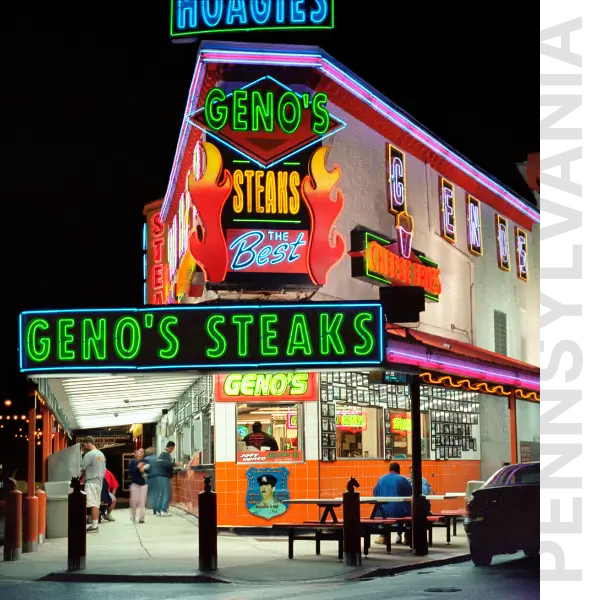
As the state’s restaurant industry continues flourishing as a powerful economic engine, Eazy Grease has established itself as its premier used cooking oil pickup service. We’ve helped thousands of chefs and owners with cooking oil recycling and grease traps in PA. Fats, Oils, and Grease (FOG) are then taken to our oil recycling facilities, where we refine the cooking oil to be ready to turn into biodiesel. Our mission is to filter oil waste for sustainable biodiesel resources like sustainable aviation fuel while providing reliable recycling services to the food service industry. As a locally owned company with over four decades of combined team experience, we understand the unique needs of your business and create potential revenue streams through our reliable oil rebate programs that directly contribute to the financial health of the state’s restaurant sector.
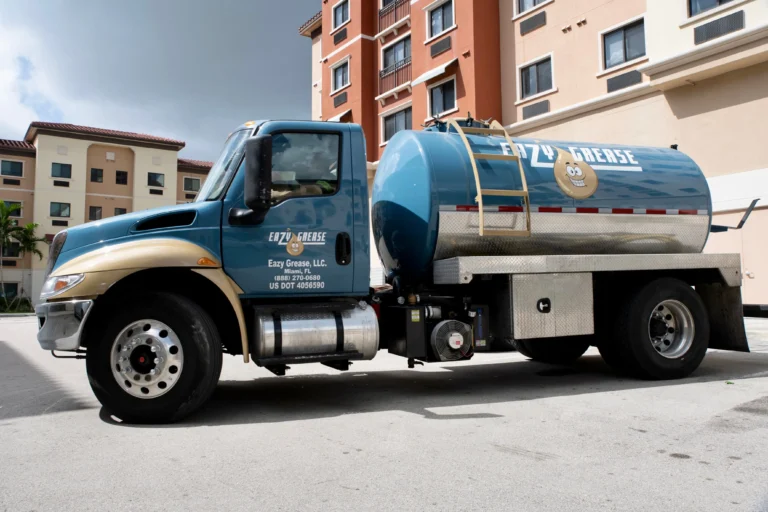
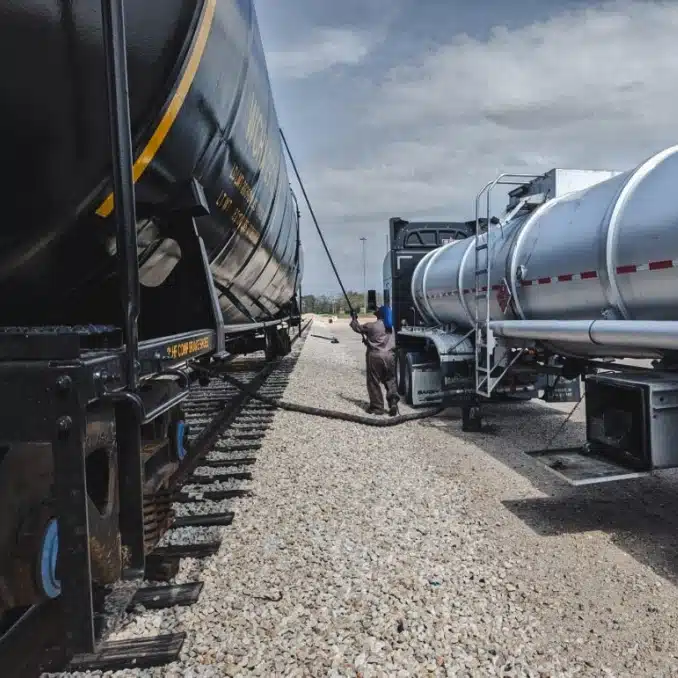
Eazy Grease provides reliable used cooking oil recycling for food businesses across Pennsylvania. We supply secure containers, handle scheduled pickups, and ensure proper, eco-friendly disposal.
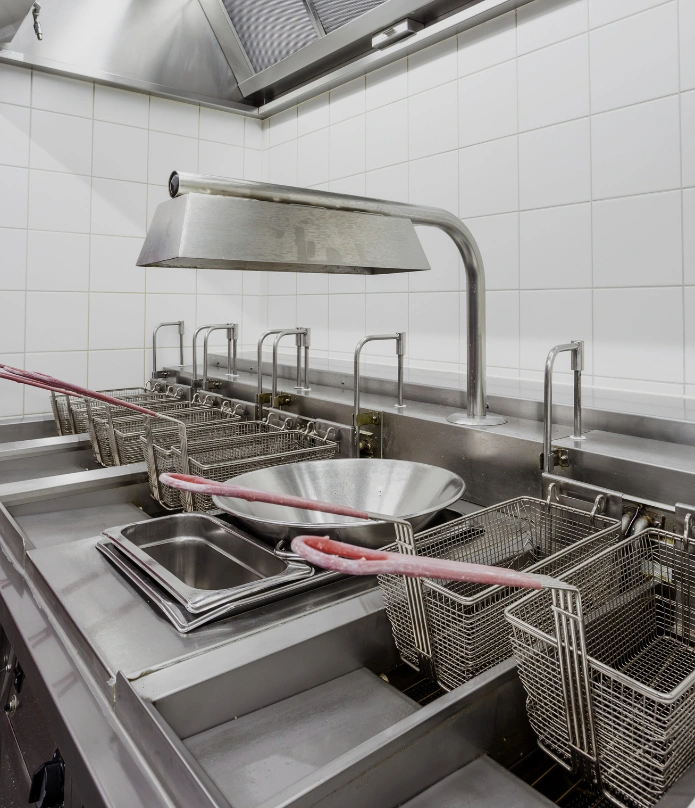

Used cooking oil (UCO) should always be cooled before handling and stored in a sealed container designed for oil storage. Businesses must keep used oil properly stored until it is collected for recycling. Safe storage helps prevent spills and protects staff working in the kitchen.
Every gallon of used cooking oil collected through professional collection services is tracked and processed into renewable products. Recycled oil is often converted into renewable diesel or sustainable aviation fuel, which burns cleaner than petroleum and reduces greenhouse gas emissions.
Regular collection of used oil helps prevent spills and reduces the risk of accidents in commercial kitchens. Scheduled pickups also prevent clogged pipes, reduce emergency plumbing costs, and help kitchens maintain safe working conditions.
Professional recycling services also provide documentation to help businesses comply with environmental waste regulations.
Grease traps play a critical role in commercial kitchens by protecting plumbing systems from fats, oil, and grease. Proper maintenance and regular inspections help prevent damage to plumbing and ensure compliance with local regulations.
Routine grease trap maintenance also helps restaurants avoid costly sewer blockages and plumbing repairs.
Automated cooking oil handling systems are designed to minimize the risk of spills and injuries. These systems allow kitchens to transfer used oil directly into secure containers, reducing direct contact with hot oil.
Proper storage systems also help maintain a cleaner and safer kitchen environment.
Yes. Several companies provide used cooking oil collection and recycling services throughout the United States. These providers offer services such as free containers, scheduled pickups, automated oil handling systems, and sometimes rebates for collected oil.
Many services also provide full support and documentation to help customers maintain proper waste management and environmental compliance.
Improper disposal of oil can cause sewer blockages and environmental pollution. Recycling used cooking oil transforms a waste product into renewable energy sources.
This process reduces landfill waste, supports cleaner fuels, and helps businesses operate more sustainably. Proper cooking oil management is essential for maintaining safe, efficient commercial kitchens and responsible environmental practices.