

Used Cooking Oil Recycling Service in South Carolina You Can Depend On
Get Started With Service.
No Hidden Fees or Contracts.
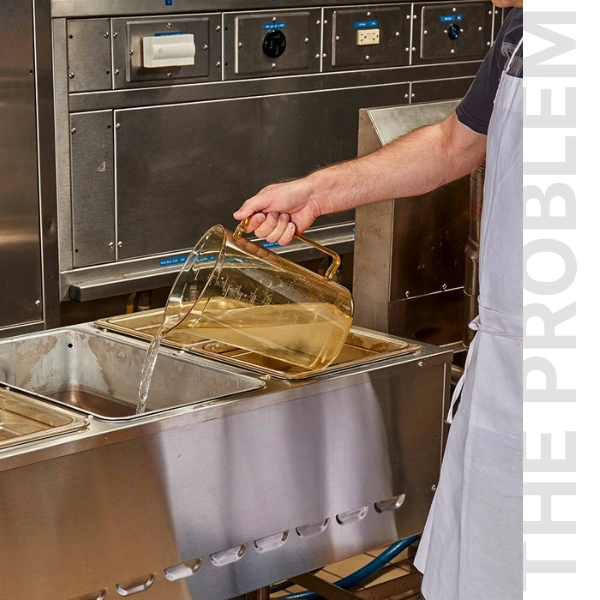
The Challenge of Used Oil Recycling for South Carolina Restaurants
Owners across South Carolina face significant challenges managing used cooking oil:
- Missed Pickups that lead to overfilled storage bins and spills
- Dirty Containers leading to foul odors and potential fines
- Limited kitchen space forces you to store fryer waste in inconvenient locations
- Hidden fees and surprise deductions that show up with little explanation
- Unresponsive Customer Call Center makes it hard to get help when you need it
- Oil theft, which disrupts operations and costs your business rebate revenue
Improper handling also risks code violations, spills, and other issues for the environment.
The Eazy Grease Solution
Looking for a reliable buyer for your restaurant’s used cooking oil? Eazy Grease offers used cooking oil pickup and recycling services in South Carolina, paying you through a transparent rebate program instead of charging for disposal.
Our cooking oil recycling services eliminate the usual headaches:
- No More Missed Pickups with our automated AI routing tailored to you
- Brand New Bins we provide are odor-free, leak-proof, and secure
- Compact Storage Options solving tight back-of-house space constraints
- Transparent Rebates eliminating hidden fees and surprise deductions
- Theft-Prevention System protecting used cooking oil and rebate revenue
- Flexible, Zero-Commitment scheduling built around your business
Automated routing means saving time on regular pickups, so you never have to worry about scheduling them yourself.
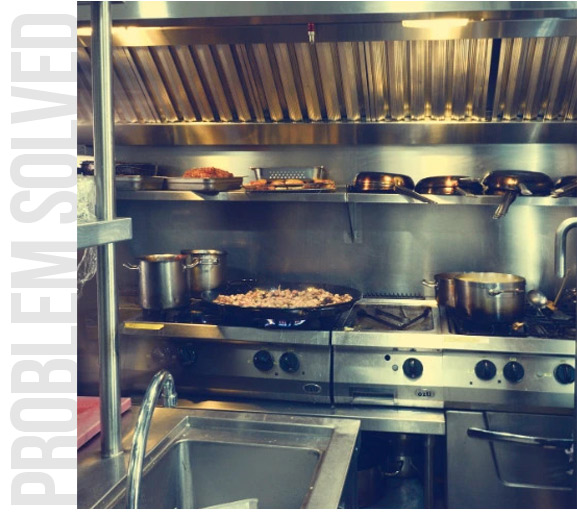
REAL RESULTS
for carolina-Based Facilities
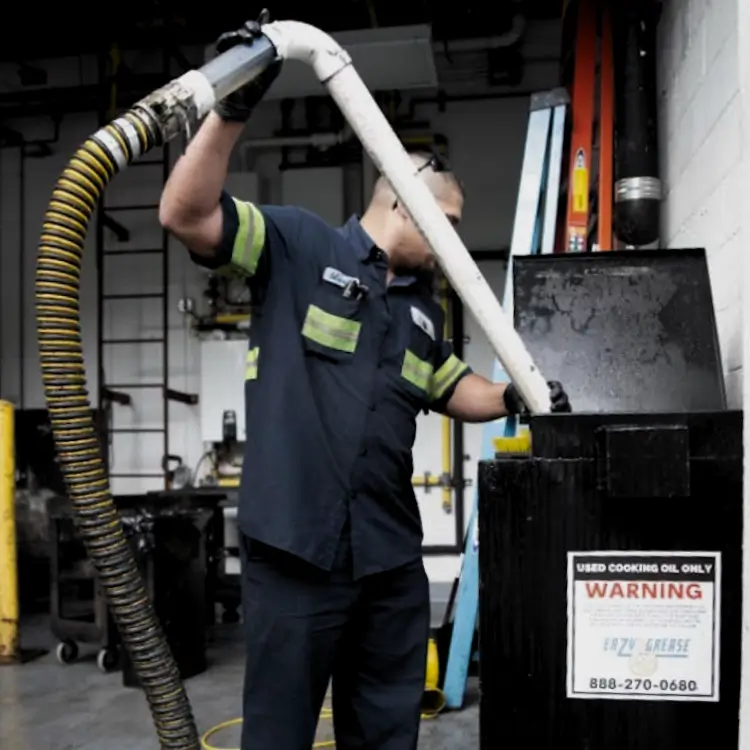

BENEFITS
✅ Guaranteed On-Time Waste Oil Recycling
✅ Unmatched Convenience
✅ Complete Regulatory Compliance
✅ Free Secure Cooking Oil Container
✅ Zero-Commitment Flexibility
✅ Clean Enviroment

HOW IT WORKS

01
Free Assessment & Signup
(24-hour response)
Our Anderson-based team evaluates your specific needs and creates your custom collection frequency.
02
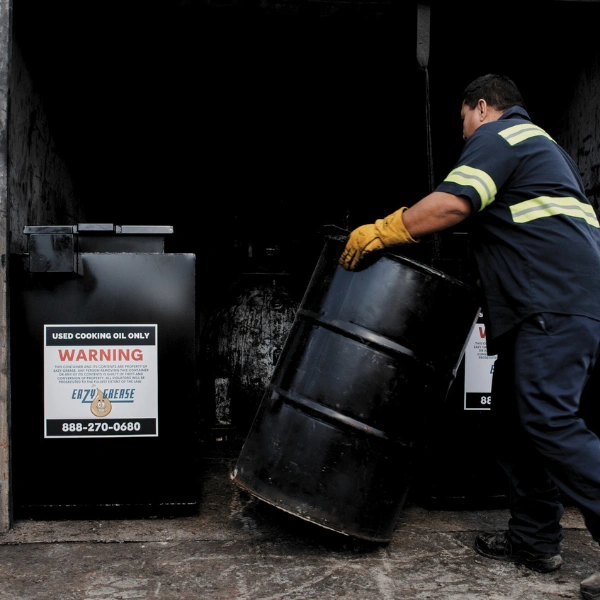
Equipment Installation
(4 business days)
We install a secure, leak-proof tank sized for your kitchen’s volume.
03
Automated Collection Cycle
(Bi-weekly, Monthly, or Quarterly)
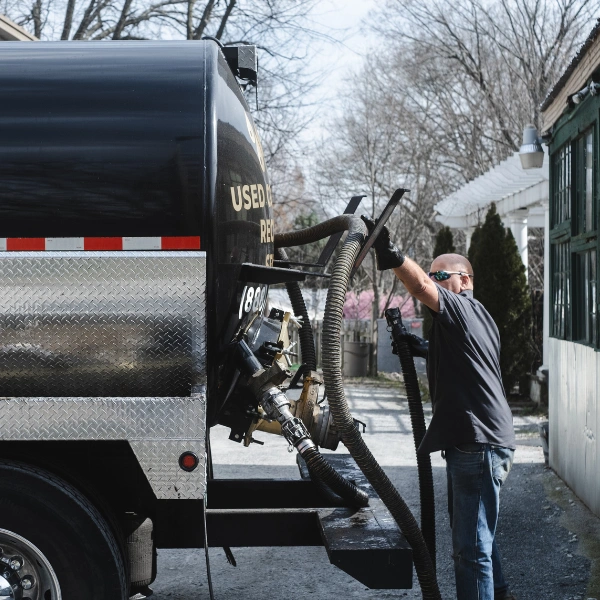
Our oil technicians and trucks visit according to schedule, with minimal disruption to your operations.
Cooking Oil Storage Containers and Bins for South Carolina Kitchens
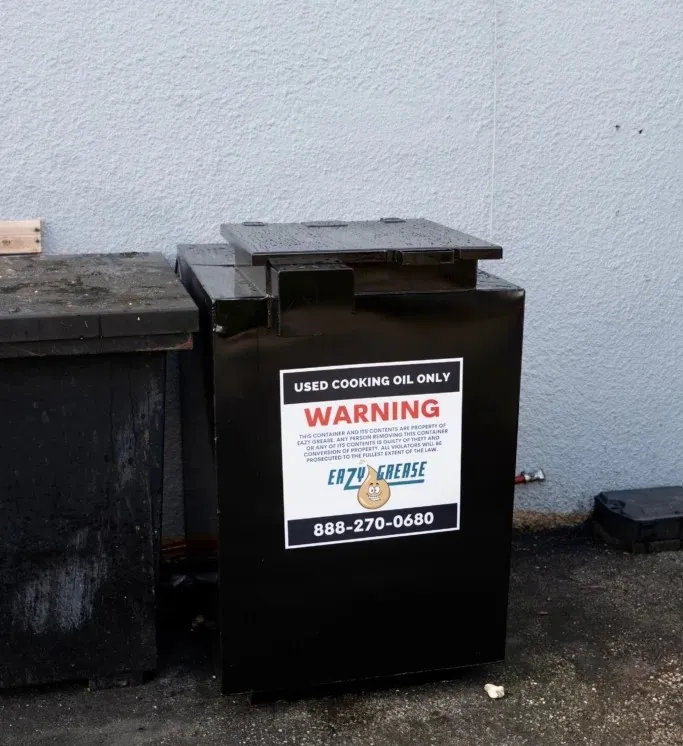
Every service starts with the right container. Eazy Grease provides a secure, leak-proof storage bin sized to your kitchen’s used cooking oil volume, from compact bins for smaller cafes to higher-capacity tanks for high-volume commercial kitchens, at no cost to you. Containers filter out debris, resist spills and odor, and keep oil contained between visits, so your kitchen stays code-compliant and your grease traps stay protected. If your oil volume changes, your bin and cooking oil pickup routine adjust with it, so you are never stuck with a container that is too small.
South Carolina Coverage Area
Counties shaded teal are within Eazy Grease's used cooking oil recycling service area.
EAZY GREASE’S IMPACT
As South Carolina’s restaurant industry keeps growing, Eazy Grease has become the state’s trusted restaurant oil recycling partner, serving thousands of restaurant operators and other customers near our Anderson facility and across the state. The cooking oil collected is refined into biodiesel and other biofuels; biodiesel burns cleaner than traditional diesel. As a local company with over 50 years of combined team expertise, we understand the importance of reliable service and help restaurants recycle used cooking oil into real rebate money, from grocery stores in the Columbia, SC area to food halls in Greenville.
Welcome To South Carolina
Cooking Oil Recycling in South Carolina
Eazy Grease provides used cooking oil pickup and recycling services in South Carolina for food service establishments of every size. We supply secure containers, handle scheduled pickups, and ensure proper, eco-friendly disposal.

FAQS
Why does my commercial kitchen need a grease trap?
Commercial kitchens must have grease traps to keep FOG out of the drain, since it solidifies and causes clogs and costly repairs. It’s a code requirement, not just good practice.
What happens if I don't maintain my grease trap?
Neglected grease traps are a top priority to avoid: hardened fats, oils, and grease cause backups and overflows in your drain lines, and failed inspections can mean fines or business closure.
What is used cooking oil (UCO) recycling and why does it matter?
UCO recycling collects spent fryer oil from food service businesses and repurposes it into biodiesel, through a process that keeps oil out of landfills and drains.
How often should UCO tanks be pumped out?
Frequency depends on your kitchen’s volume and how much oil you recycle; our professionals help identify the right pump-out schedule for you.
What size storage bins does Eazy Grease provide for used cooking oil?
Bin size depends on how much used cooking oil your kitchen generates. During your free assessment, we determine the right container size for your space and volume, from smaller bins for lower-volume kitchens to larger tanks for high-output operations. All containers are leak-proof, odor-free, and provided at no extra cost.
How do I sell my used cooking oil in South Carolina?
It starts with a free assessment, where Eazy Grease evaluates your volume and recommends a container and pickup routine. From there, we collect on a regular basis and pay a transparent rebate for every visit, no hidden fees, no form to chase down.
Can restaurants earn money from their used cooking oil?
Yes. Eazy Grease pays South Carolina restaurants for collected cooking oil instead of charging for disposal, with no hidden fees. Regular pickups also protect that revenue by reducing oil theft.
How do South Carolina residents dispose of cooking oil for free?
Eazy Grease mainly serves commercial food service establishments and never charges disposal fees; our rebate program pays businesses instead. Residents can typically use a county drop-off point rather than pouring oil down the drain, which risks plumbing and sewer damage.
What happens to the cooking oil after it's collected?
It’s refined into biodiesel, which burns cleaner than traditional diesel and fuels trucks and other diesel vehicles; some batches are refined further into renewable diesel or sustainable aviation fuel.
How does used cooking oil recycling reduce environmental impact?
Recycling keeps FOG out of sewer systems and, by displacing fossil diesel with biodiesel, lowers carbon emissions. South Carolina’s food service industry contributes roughly $13.8 billion to the state economy, and UCO recycling helps that growth stay sustainable.
Does Eazy Grease offer grease trap cleaning or maintenance?
Our core service is oil collection and recycling, not grease trap maintenance, though we can point you to a licensed local operator familiar with South Carolina’s FOG compliance rules.
How does the Eazy Grease collection process work?
Our Anderson-based team runs a free assessment within 24 hours, then installs a container within 4 business days. Pickups then run on a flexible schedule with AI-optimized routing, so you never have to call to arrange one.
How does Eazy Grease prevent used oil theft?
Oil theft costs real rebate revenue. Eazy Grease containers include theft-prevention features, and regular pickups mean oil doesn’t sit unattended long enough to become a target.