Eazy Grease provides hassle-free cooking oil collection and proper disposal in the Old North State with unmatched reliability and flexibility. Choose from our range of cooking oil storage solutions – from compact indoor waste oil receptacles to large outdoor bins – all professionally installed and maintained at no cost. The process to collect used cooking oil is easy and beneficial for both businesses and the environment. With no long-term contracts or hidden fees, our transparent service delivers scheduled collections that never disrupt your commercial kitchens, rebate pay that come on time, and 24/7 emergency support. Trusted by thousands of restaurant owners for our 93.8% on-time service record. We know how to get rid of cooking oil properly, so you can count on us.

Owners across Charlotte, Asheville, Raleigh, and all of NC face significant challenges managing used cooking oil:
Our comprehensive cooking oil recycling program eliminates these challenges:
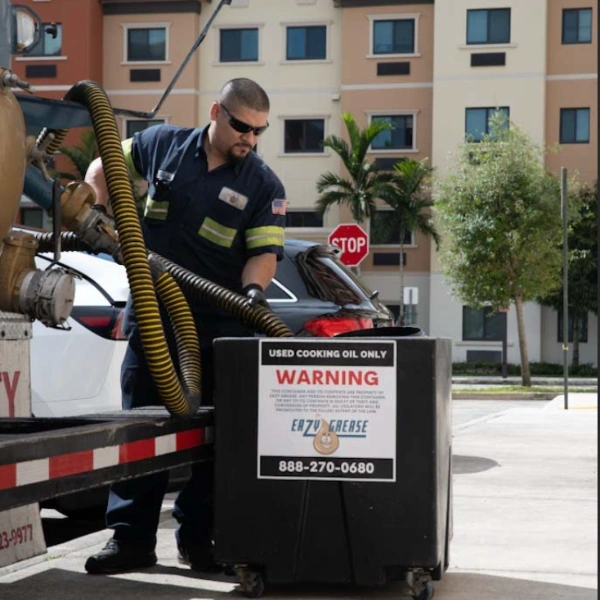
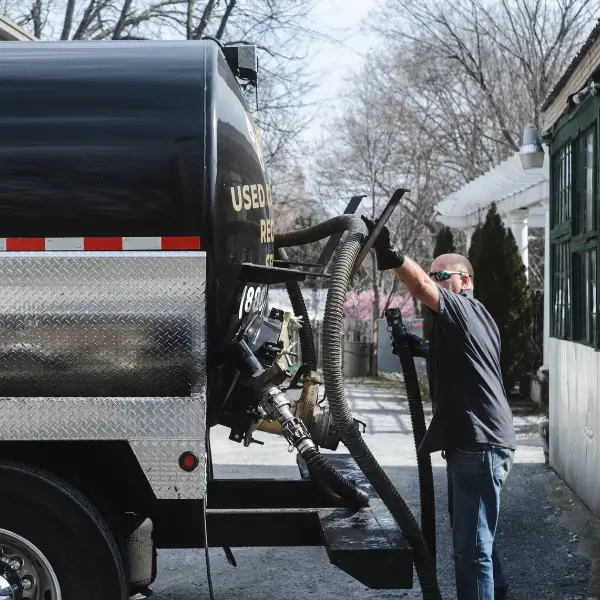



Our Charlotte-based team evaluates your needs, determines optimal container placement, and creates your custom collection frequency.
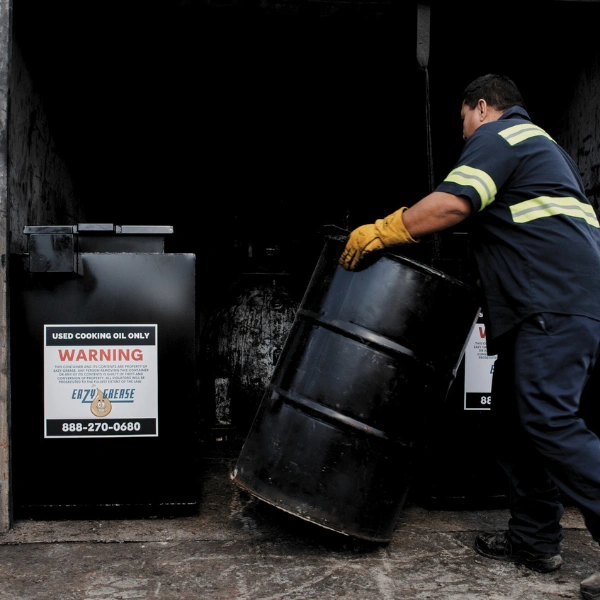
We deliver and install secure, leak-proof tanks sized appropriately for your kitchen space and volume needs. This helps prevent fats, oils, and grease from entering the drain system, avoiding clogs and sanitary sewer overflows.
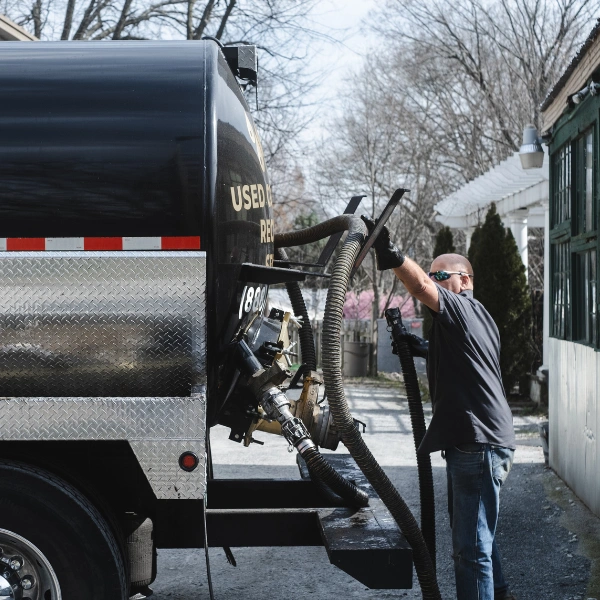
Bi-weekly, Monthly, or Quarterly) You do not need to contact us because our professional technicians and trucks go to your location according to schedule, ensuring clean, efficient pickups with minimal disruption to your operations.
Counties shaded teal are within Eazy Grease's used cooking oil recycling service area. Hover a county for details.
As the state’s restaurant industry continues flourishing as a powerful economic engine, Eazy Grease has established itself as its premier used cooking oil pickup service. Making proper cooking oil management a priority, we have strategically located facilities near Charlotte, helping thousands of chefs and owners with cooking oil recycling and grease traps in NC. Managing residual fats, used cooking oils, and grease in kitchens and commercial food service operations is crucial. Fats, oils, and Grease (FOG) are then taken to our city plant, where we refine the vegetable oil to be ready to turn into biodiesel. Our mission is to convert waste into sustainable biodiesel resources while providing exceptional recycling services to the food service industry. As a locally owned company with over 50 years of combined team experience, we understand the unique needs of local businesses and create potential revenue streams through our rebate programs that directly contribute to the financial health of the state’s restaurant sector. Proper grease management is essential to prevent used cooking oils and fats from entering the wastewater system, which can lead to clogs and sanitary sewer overflows.
WE PROUDLY SERVE: Charlotte, Raleigh, Greensboro, Durham, Winston-Salem, Fayetteville, Cary, Wilmington, Greenville, Concord, Asheville, and all surrounding areas.
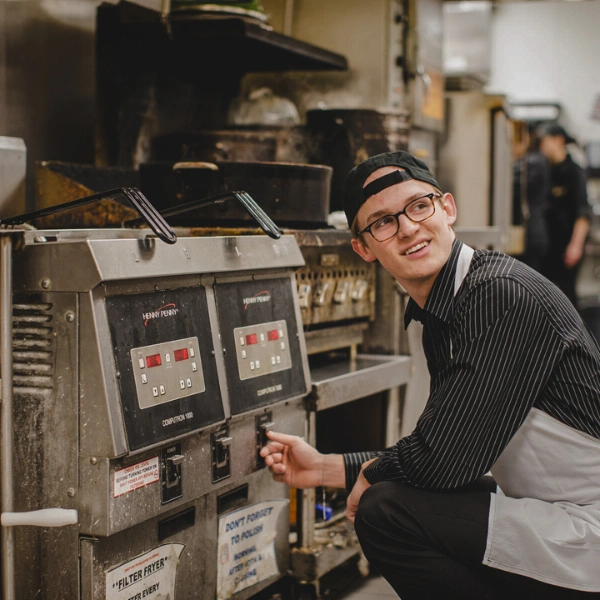
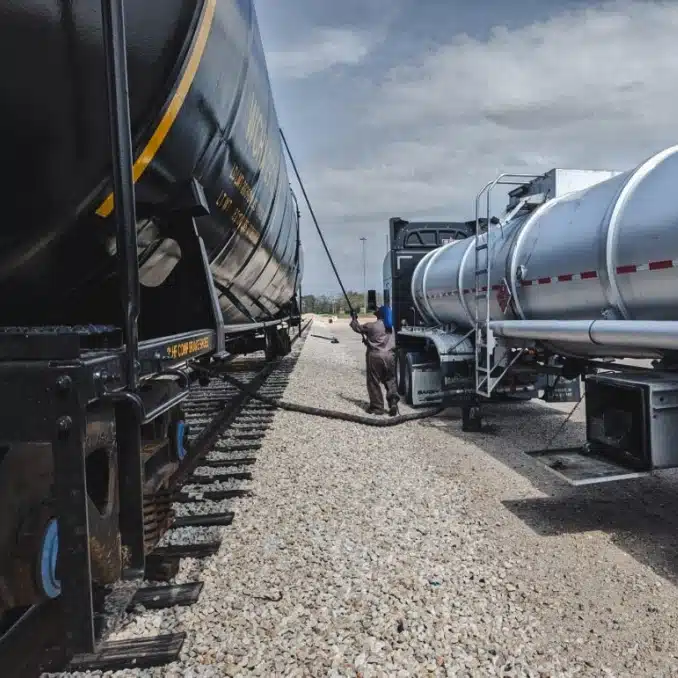
Eazy Grease provides reliable used cooking oil recycling for food businesses across North Carolina. We supply secure containers, handle scheduled pickups, and ensure proper, eco-friendly disposal.
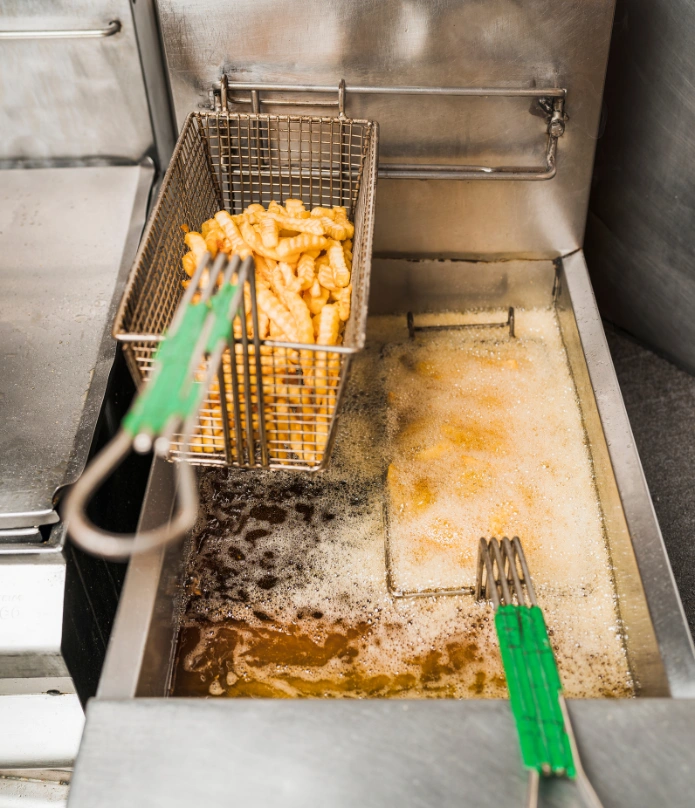

Used cooking oil recycling diverts spent fryer grease from landfills and sewer systems and repurposes it into biodiesel and other biofuels. For North Carolina food service businesses, this means cleaner plumbing, a smaller environmental footprint, and in many cases, a rebate on the oil you’re already producing. Recycling UCO also creates local jobs in collection, engineering, and processing — so the benefits extend beyond your kitchen.
Yes. High-quality used cooking oil has real market value, and collection services operating in North Carolina — including in markets like Raleigh and Charlotte — offer payment or rebates for commercial volumes. Eazy Grease provides transparent rebates with no hidden deductions, and our regular pickup schedule protects your oil from theft between collections, which directly protects your revenue.
Allow used oil to cool completely before handling it, then transfer it to a sealable container clearly labeled “Used Cooking Oil.” Proper storage prevents spills, accidents, and injuries — all real hazards in busy commercial kitchens. Eazy Grease provides secure, leak-proof containers sized for your space, so you don’t have to improvise a storage solution.
All collected oil is recycled into biofuel — primarily biodiesel, which can reduce greenhouse gas emissions by up to 94% compared to conventional petroleum diesel. It’s a meaningful environmental win that comes at no extra effort on your part. Some oil may also be processed into renewable diesel or other sustainable fuel products depending on quality and processing pathway.
Several counties across North Carolina provide designated drop-off sites at local convenience centers for used cooking oil. Orange County, for example, allows residents to drop off up to 15 gallons at designated recycling locations. Check your county’s waste management site or ask us and we’ll point you in the right direction.
Yes. Eazy Grease operates as a fully permitted, DOT-registered waste oil hauler in compliance with state regulations for used cooking oil management. That means every pickup, transfer, and disposal step meets North Carolina’s requirements — and you’re covered from a compliance standpoint when you work with us.
We start with a free assessment of your facility — usually within 24 hours — and install a secure, leak-proof container within 4 business days. From there, pickups run automatically on your preferred schedule (bi-weekly, monthly, or quarterly) using AI-optimized routing. No calls, no coordination. Our technicians handle everything so you can stay focused on your kitchen.
Grease traps are a standard requirement for commercial kitchens across North Carolina. They work by using a baffle system to separate fats, oils, and grease (FOG) from wastewater before it enters the sewer line. Without one — or without a properly maintained one — FOG builds up in pipes, causes costly clogs, and puts your business at risk of municipal code violations.
There’s no universal answer, but regular cleaning is essential regardless of your kitchen’s size or volume. Grease traps that aren’t serviced on a consistent schedule accumulate FOG that hardens over time, leading to blockages, odors, and overflow. A comprehensive cleaning schedule helps you stay compliant with local regulations and keeps your kitchen running safely.
Skipping grease trap maintenance is one of the fastest ways to trigger a plumbing emergency in a commercial kitchen. Beyond the immediate repair costs, failing to maintain your trap can result in municipal code violations and financial penalties. Inspectors take FOG compliance seriously — staying ahead of it with routine service is far cheaper than dealing with the aftermath.